The Science of Stone: Understanding the Strength and Versatility of Masonry Materials Mar 18, 2026
Masonry is the art of creating structures from individual units bound together, typically by mortar. The type of materials—such as stone, brick, and concrete blocks—can significantly influence a structure’s strength, durability, and aesthetic appeal. The science behind these materials not only supports architectural integrity but also enhances the overall functionality of the building.
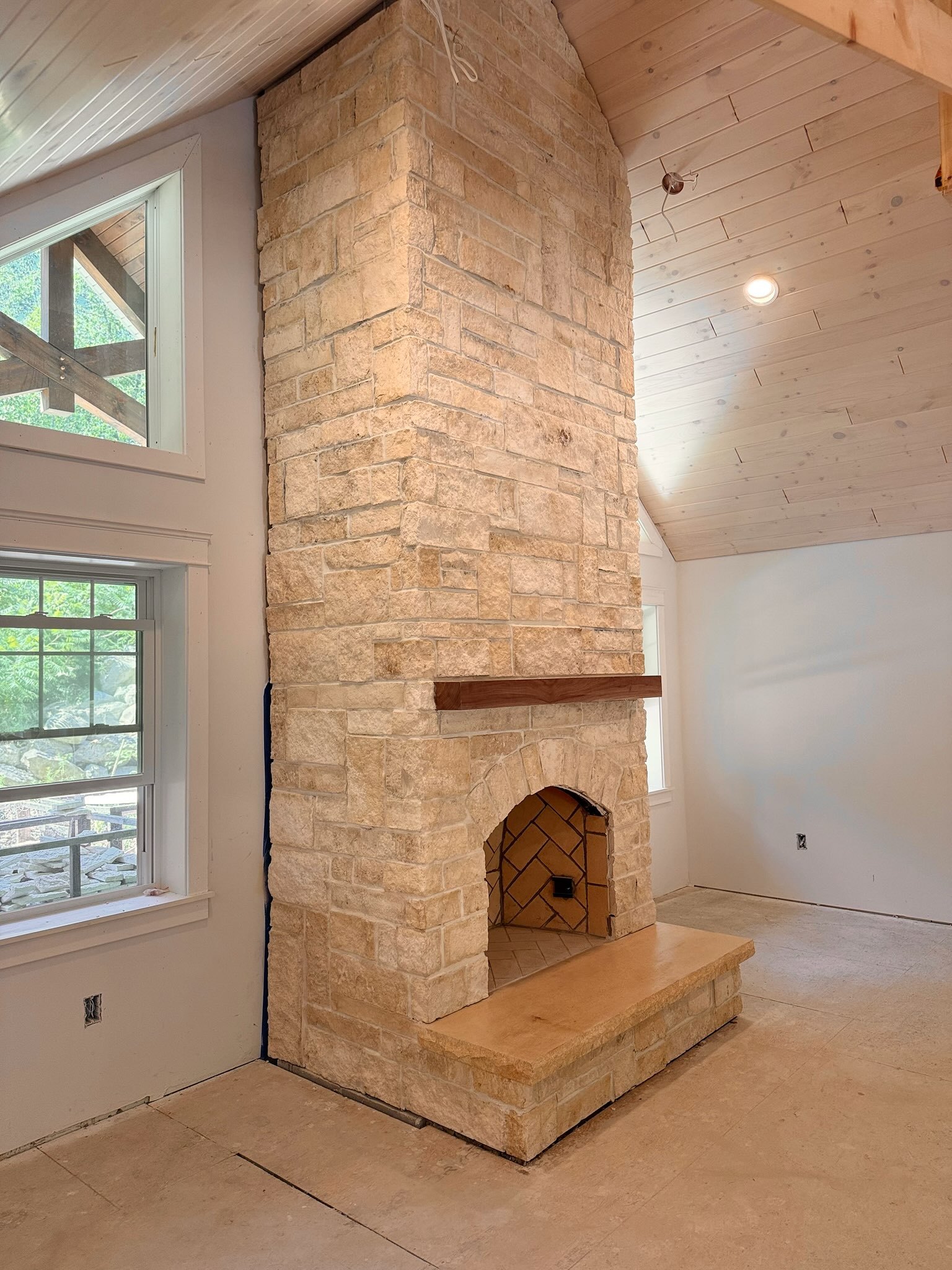
Stone is one of the oldest building materials known to humanity, cherished for its natural beauty and resilience. Its strength lies in its density and composition, with granite, limestone, and sandstone each offering unique characteristics. Granite, for example, is incredibly durable and resistant to weathering, making it ideal for external facades exposed to the elements. Limestone, meanwhile, is appreciated for its workability and is often used for intricate detailing. Understanding these properties allows Alderman’s Masonry and Construction LLC to advise clients on the best choice for their specific needs.
Bricks, another staple in masonry, are prized for their uniformity and compressive strength. Made primarily from clay or shale, their durability is enhanced through a firing process in kilns, which hardens them and makes them weather-resistant. Brick’s versatility comes from its range of styles, textures, and colors, providing ample opportunity to customize the look of any project. Additionally, brick structures offer excellent energy efficiency, as the thermal mass helps to regulate temperatures inside buildings.
Concrete blocks, or cinder blocks, are a staple of modern masonry construction. These blocks are composed of cement and aggregates, offering exceptional compressive strength. One of the significant advantages of concrete blocks is their cost-effectiveness and speed of construction, especially for large structures. They also provide superior fire resistance and sound insulation, crucial for residential and commercial projects alike. Innovations in masonry have even seen the development of insulated concrete blocks, which further enhance energy efficiency.
Beyond the individual materials, the binding agent—mortar—plays a critical role. Mortar is typically a mixture of cement, lime, sand, and water, and its composition can be adjusted to suit specific masonry materials and structural requirements. The right mortar formulation ensures that brickwork and stonework are securely bonded for maximum stability and longevity.
For customers of Alderman’s Masonry and Construction LLC, understanding the science behind masonry materials empowers you to make informed decisions that meet both structural and aesthetic goals. Our expertise lies in leveraging the unique attributes of each material to bring your vision to life, from timeless stone facades to sturdy brick patios and sleek concrete walls.
In conclusion, the strength and versatility of masonry materials make them indispensable in construction. Whether you are considering a new home build, renovation, or commercial project, Alderman’s Masonry and Construction LLC is equipped to guide you through each step, ensuring the use of materials that not only stand the test of time but also enhance the beauty of your investment. Understanding the science behind stone, brick, and concrete helps us harness the full potential of these extraordinary materials, crafting structures that are as enduring as they are beautiful.
/filters:no_upscale()/filters:format(webp)/media/28e89fab-5a15-438c-87d4-c8fbf9053895.jpeg)